

Learn the official Bone Health New Zealand guidelines and discover how clinical physiotherapy, progressive resistance training, and Pilates help build bone strength and prevent fractures.
Understanding Bone Health: A Proactive Approach to Healthy Ageing
Bone mineral density naturally changes over time, but significant bone loss doesn’t have to be an inevitable part of growing older. Whether you are aiming to prevent osteopenia, manage osteoporosis, or simply maintain your independence for years to come, taking action early is key.
Here is a look at what the latest guidelines recommend and how structured, evidence-based movement can keep your frame strong and resilient.
Official Guidelines: What Should You Do to Protect Your Bones?
Bone Health New Zealand recommends four foundational habits to safeguard your skeleton:
- Maintain a Healthy Body Weight: Aiming for a healthy BMI (20-25) ensures your body carries optimal natural loading without excess metabolic strain.
- Engage in Regular Weight-Bearing Movement: Bones need physical loading to signal bone-building cells to stay active.
- Support Your Body Nutritionally: Ensure adequate daily calcium intake while eliminating smoking and limiting alcohol intake.
- Seek Early Clinical Assessment: If you have concerns about your bone density or have suffered a fracture from a minor fall (such as a slip from standing height), a comprehensive clinical review is essential.
How Exercise Stimulates Bone Remodelling
Exercise is widely recognized as one of the single most effective non-pharmacological tools for maintaining bone strength and reducing fall risks. However, not all movement impacts bone density equally.
To stimulate bone remodeling, your exercise routine should incorporate:
| Exercise Type | Primary Benefit | Examples |
| Progressive Resistance Training (2–3x/week) | Loads muscle attachments to pull on bone structures, driving adaptation. | Weighted squats, resistance bands, Clinical Pilates reformer work. |
| Weight-Bearing Aerobics | Applies repetitive axial loading through the spine and hips. | Fast walking, stair climbing, hiking, dancing. |
| Impact Movements (where appropriate) | Delivers high-peak strain rate to trigger maximum osteoblastic response. | Stomping, hopping, skipping, jogging. |
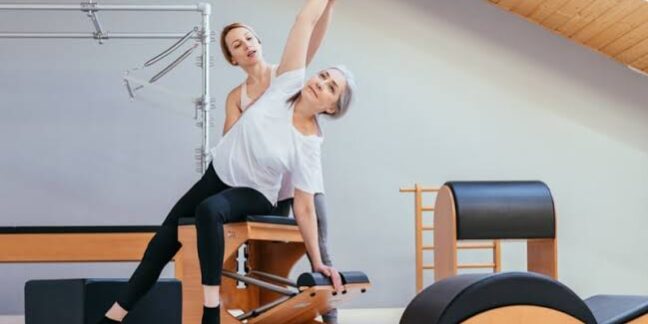
| Balance & Functional Training | Improves proprioception and motor control to prevent falls before they happen. | Single-leg balance drills, step-ups, reformer stabilization. |
Why this combination matters: Combining progressive strength training with impact and balance exercises is the strongest evidence-based strategy to slow bone density loss, enhance physical capacity, and dramatically lower fracture risks.
How Physiotherapy at Bodyreform Supports Your Foundation
Starting an exercise program can feel daunting—especially if you have been diagnosed with low bone density or worry about injury. Moving safely requires a tailored progression that respects your joint health while still applying enough force to stimulate bone growth.
At Bodyreform, Sarah and our clinical team provide a structured, supportive pathway:
- Comprehensive Assessment: We evaluate your current muscle strength, joint mobility, balance, and fall risk parameters.
- Identifying Risk Factors: We pinpoint movement compensations that could compromise independence or increase injury risk.
- Customized Resistance Programs: We build progressive strength plans scaled precisely to your baseline ability and goals.
- Safe Impact Integration: Where appropriate, we safely guide you through higher-load movements to optimize bone stimulus without overloading joints.
- Building Movement Confidence: Through Clinical Pilates and movement retraining, we empower you to move freely without fear.
Take Control of Your Bone Health Today
Building strong bones is a lifelong investment in your mobility and freedom. Whether you want to establish an evidence-based routine or need a safe environment to build confidence following a diagnosis, our clinical team is here to guide you every step of the way.